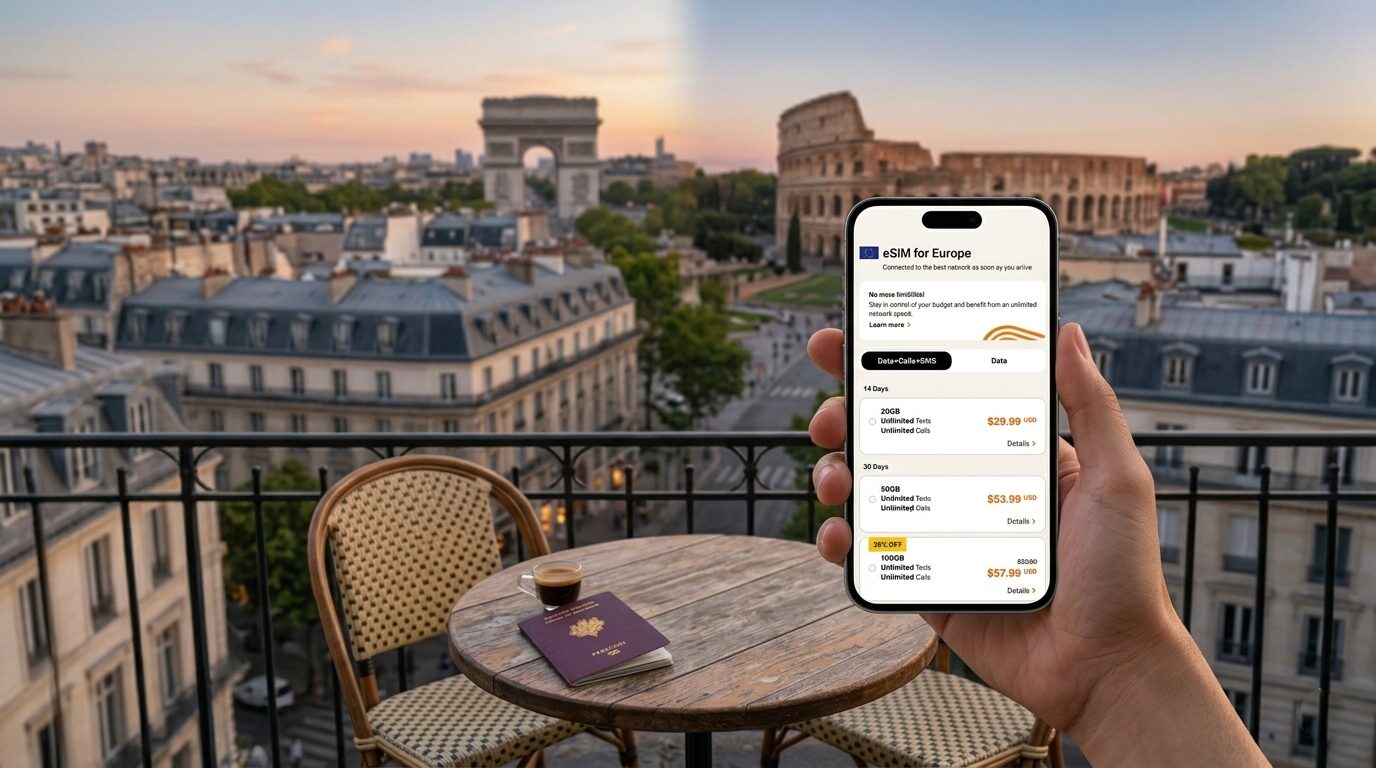
Top Cheap eSIM Plans for Travelers Who Want to Save Big
You’re stuck in a long layover, and your current carrier wants to charge you an arm and a leg for data. A cheap eSIM plan lets you instantly download a local or global data profile straight to your phone, skipping the physical Japan eSIM SIM hunt entirely. The best part? It offers affordable pay-as-you-go or short-term options that save you money on roaming fees. Just pick a budget-friendly plan, scan a QR code, and you’re online hassle-free—perfect for travelers on a tight budget.
Finding Budget-Friendly eSIM Options for Travelers
To find budget-friendly eSIM options, travelers should compare cheap eSIM plans on aggregator sites like esimdb or MobiMatter, filtering by total data versus price. Prioritize regional plans over global ones, as they offer significant savings for multi-country trips. Always check if your device supports eSIM technology; recent phones typically do. For short trips, data-only plans are often cheaper than those with voice minutes, and pay-as-you-go options allow you to avoid paying for unused data. Lastly, read user reviews on Reddit or travel forums to identify plans with reliable speeds and no hidden fees, ensuring a truly budget-friendly eSIM experience.
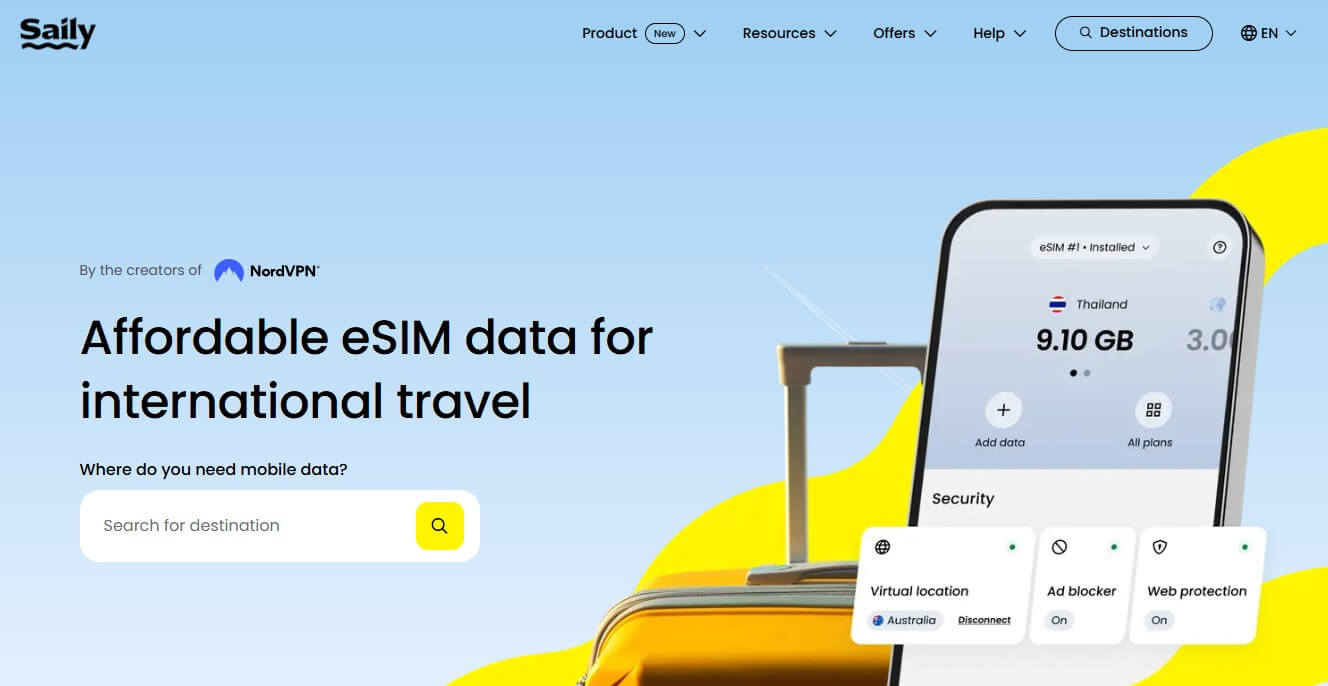
Why eSIMs Can Slash Your Roaming Costs
eSIMs slash your roaming costs by letting you instantly buy a cheap local data plan before you even land, bypassing your home carrier’s daily fees entirely. Instead of paying $10–$20 per day for your usual network, you can snag a regional or country-specific eSIM for just a few bucks. The best part is you avoid surprise bills because eSIMs remove the need for expensive roaming packages – you simply pick a budget-friendly plan tailored to your trip length and data needs. This flat-rate pricing means no hidden per-megabyte charges, and you can even switch providers mid-trip if you find a better deal. No physical SIM hunt, no contracts—just lower costs from the moment you activate.
- Compare local eSIM data rates against your carrier’s daily roaming fee (e.g., $3 vs. $15).
- Purchase a short-term eSIM plan matched to your exact travel dates.
- Drop your home SIM’s data roaming and use the eSIM for all connectivity.
Comparing Prepaid vs. Data-Only Alternatives
When choosing between prepaid eSIMs and data-only alternatives, your usage pattern dictates the better deal. Prepaid options bundle local minutes and texts, which is ideal if you need to call hotels or restaurants, but they often carry a higher overall price for less data. For most travelers, data-only eSIM plans are the cost-effective choice. They strip out voice services you rarely use, offering more gigabytes at a lower per-GB rate. To decide, follow this sequence:
- Estimate your daily data needs using apps like Maps or streaming.
- Check if your phone supports dual SIM to keep your home number active.
- Select a data-only plan if your usage is purely internet-based, saving money over a prepaid bundle.
Hidden Fees to Watch Out For
When hunting for cheap eSIM plans, scrutinize the fine print for hidden data throttling triggers. Many providers advertise a low price, then deprioritize your connection after a small usage threshold, rendering “unlimited” plans unusable for mapping or streaming. Activation fees are another trap, often buried as a mandatory “service setup” cost. To ensure the budget plan remains truly affordable, follow this sequence:
- Confirm the post-throttle speed (e.g., reduced to 128 kbps) in the terms.
- Calculate the total cost including any mandatory add-on “connection” or “top-up” fees.
- Check if auto-renewal resets the data allowance at a higher, undisclosed rate.
Ignoring these surcharges easily doubles the perceived expense.
Top Regional Carriers Offering Low-Cost Connectivity
For cheap eSIM plans, top regional carriers like Mobily in Saudi Arabia, AIS in Thailand, and Telcel in Mexico offer the most affordable data without the premium of global networks. These operators bypass expensive roaming agreements, delivering local pricing directly to your eSIM. AIS, for instance, provides multi-day tourist passes that undercut international rivals drastically. In the UAE, du offers budget-friendly eSIM data packs ideal for short stays. Meanwhile, Claro in Latin America and Celcom in Malaysia give travelers reliable, low-cost connectivity by focusing exclusively on their home regions. Choosing these carriers over global providers ensures you pay only for the geography you’re in, slashing costs while maintaining strong local signal strength.
Affordable European eSIM Providers and Coverage

For budget-friendly travel across Europe, providers like Airalo, Holafly, and Ubigi offer killer deals starting under $5 for regional plans. Airalo’s “Eurolink” package covers 40+ countries, perfect for hopping between cities without racking up fees. Holafly throws in unlimited data for a flat daily rate, ideal for heavy map users. Ubigi’s pay-as-you-go credits let you top up only what you need. Coverage is solid on major networks like Vodafone and Orange, ensuring steady 4G/5G in most tourist hot spots. Just activate before landing, and you’re set for cheap, seamless roaming with no hidden charges.
Asia-Pacific Data Packages Under $10
For budget-conscious travelers, Asia-Pacific data packages under $10 typically offer 1GB to 5GB valid for 7 to 15 days. Providers like Airalo and Holafill feature localized plans covering single countries—such as Japan, Thailand, or Indonesia—at these price points, while regional options like “Asia eSIM” bundle multiple destinations into one low-cost package. Installation is instant via QR code, with no physical SIM swap required.
- Common validity spans 7–10 days with 1GB–3GB of high-speed data.
- Top-ups are rarely needed; the plan deactivates automatically after expiry.
- Coverage typically uses local networks like AIS (Thailand) or SoftBank (Japan).
- Activation requires an eSIM-compatible, unlocked device and stable WiFi initially.
North American Plans for Short Stays
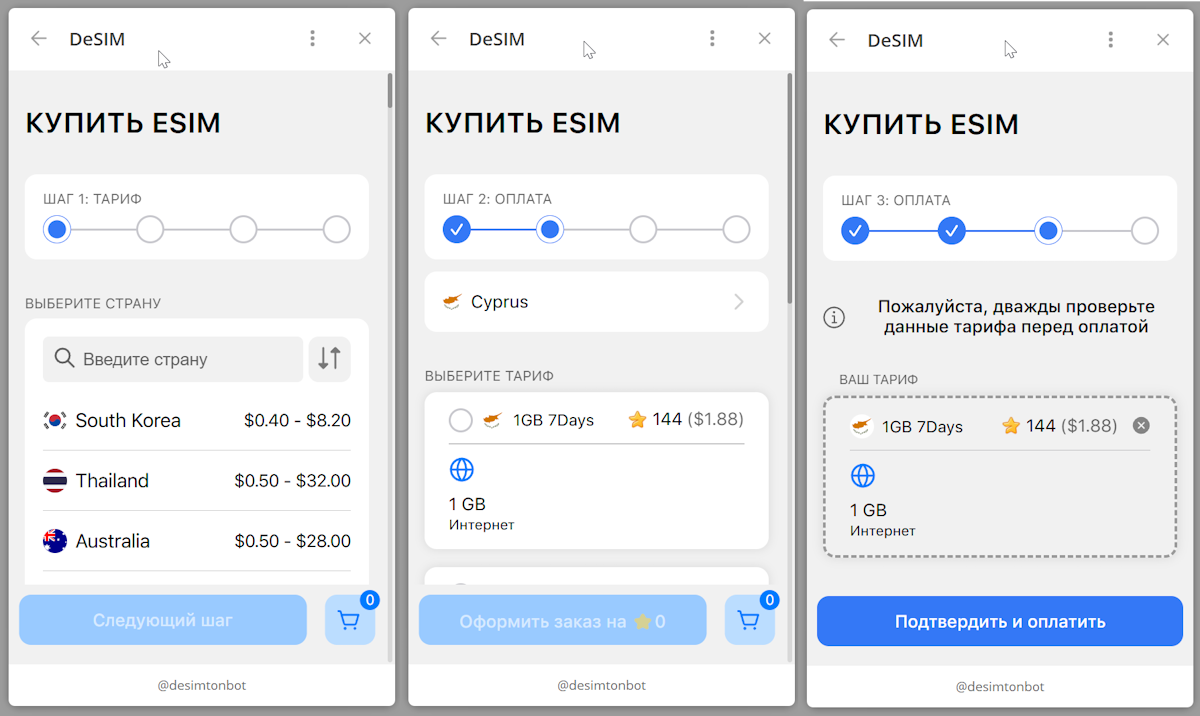
For quick trips into the US or Canada, North American Plans for Short Stays focus on tiny data bundles—like 1GB or 3GB—that expire after 7 or 15 days. Carriers such as Airalo and Holafly offer these regional eSIM bundles for weekend trips starting at around $5, with no physical SIM swap needed. You usually get full LTE/5G speeds until you hit your cap, then data stops completely rather than slowing down.
| Plan Type | Typical Cost | Duration | Best For |
|---|---|---|---|
| 1GB data-only | $4–$6 | 7 days | City navigation & messaging |
| 3GB data-only | $9–$12 | 15 days | Light streaming & social media |
| Unlimited (throttled) | $15–$20 | 10 days | Heavy app use on a long weekend |
Global eSIMs That Won’t Break the Bank
For budget-conscious travelers, global eSIMs that won’t break the bank offer seamless connectivity across dozens of countries without per-diem roaming fees. Providers like Airalo and Holafly deliver regional passes starting under $10, letting you activate data instantly from your phone. You skip physical SIM swaps and avoid surprise charges by prepaying only for the megabytes you actually need. These plans typically include essential speeds for maps, messaging, and ride-hailing—perfect for short trips or multi-country itineraries where cost matters more than unlimited high-speed bandwidth.
Global eSIMs that won’t break the bank provide affordable, prepaid data across multiple nations—no hidden fees, no physical cards, just low-cost roaming from your existing device.
How to Activate a Wallet-Friendly eSIM in Minutes
I was scrambling for a cheap data fix in Lisbon when a traveler showed me their secret. They pulled out their phone, scanned a QR code from an affordable eSIM app, and—bam—connected instantly. That’s how you activate a wallet-friendly eSIM in minutes: buy a budget plan online, scan the QR delivered by email, and tap “Add Cellular Plan” in settings. The whole process, from purchase to connection, takes under three minutes. No physical card, no store visit, just cheap roaming. Q: What if I lose internet while activating? A: Most cheap eSIMs let you pre-load the QR on Wi-Fi or send an alternative activation code via SMS once you land.
Checking Device Compatibility Without Extra Cost
Before activating a wallet-friendly eSIM, confirm your device supports it—without paying a cent. Most phone manufacturers embed an IMEI check in settings; navigate to “About Phone” or “General” to find the IMEI number. Vendors like Airalo or Holafly offer free online verification tools—paste your IMEI there. Carrier-locked devices may block cheap eSIM plans, so verify the phone is unlocked via your current provider’s complimentary status check. Skipping this step risks buying a plan your hardware rejects, making cost-free device verification the essential first move for frugal connectivity.
Checking your eSIM compatibility costs nothing—use your phone’s IMEI and free vendor tools before buying a cheap plan.
Step-by-Step Setup for Android and iOS
For Android, head to Settings > Connections > SIM Manager, then tap “Add eSIM.” Scan the QR code from your cheap eSIM provider to instantly activate the data plan. On iOS, open Settings > Cellular > Add eSIM, then scan the code or tap the carrier’s app link. Both systems guide you to label the eSIM (e.g., “Travel Data”) and set it as primary for cellular data. A quick eSIM activation guide is typically emailed upon purchase. The entire process takes under two minutes, locking in your wallet-friendly plan without needing a physical card.
Q: Can I activate a cheap eSIM on Android without Wi-Fi?
A: Yes—both Android and iOS require a stable internet connection during setup, but you can use mobile data from your current SIM if it’s still active.
Managing Multiple Profiles to Maximize Savings
Managing multiple eSIM profiles is your secret weapon for squeezing the most from cheap eSIM plans. Instead of relying on one plan, load several onto your phone (most modern devices hold 5–10). Here’s the sequence: First, install a cheap local data plan from your destination. Next, keep your regular home profile for calls and texts. Finally, add a regional or global backup plan as a safety net.
- Toggle between profiles in your phone’s settings to use the cheapest active plan for data-heavy tasks.
- Disable the pricier home profile’s data roaming to avoid surprise charges.
- Remove expired or high-cost profiles after your trip to free space.
Switching mid-trip can save you up to 90% on data costs when you choose the right plan for each activity.
Strategies to Stretch Your Data Allowance
To stretch your data allowance on a cheap eSIM, ruthlessly disable background app refresh and auto-downloads for social media and system updates, as these silently devour megabytes. Use offline modes aggressively—download Spotify playlists, Google Maps, and Netflix episodes over Wi-Fi before activating your plan. Compress your browsing via built-in data saver modes in Chrome or Opera, which reroute traffic through optimized servers. For streaming, cap video resolution to 480p on YouTube and Netflix, as 1080p can consume up to 3GB per hour. Ironically, enabling “Low Data Mode” on your phone often forces apps to be more disciplined, not just limiting background tasks. Avoid auto-playing videos in feeds and consider messaging apps like WhatsApp which use less data for calls compared to standard VoIP.
Combining Wi-Fi Hotspots with Low-Cost eSIMs
The smartest play to stretch your cheap eSIM plan is to deliberately fuse Wi-Fi hotspots with your mobile data. Instead of burning through your low-cost eSIM’s GBs, manually toggle off cellular data whenever you’re near a café, library, or hotel network. This reserves your eSIM allowance exclusively for true on-the-go moments. Wi-Fi-first data management transforms a modest plan into one that lasts days longer. By pairing a budget eSIM (often $3–10 for 1–5GB) with free public Wi-Fi, you effectively double or triple your usable connectivity without paying extra.
- Keep your phone’s “Auto-Join Hotspots” off to avoid accidental, unsecured connections.
- Enable Wi-Fi calling over hotspots to save your eSIM’s voice minutes.
- Download offline maps and content while on Wi-Fi, then use your eSIM only for live tasks.
Choosing the Right Data Volume for Your Trip
Analyzing your usage patterns is critical when matching esim data to trip duration. Assess daily tasks: heavy navigation and social media streaming demand 1–2GB per day, while messaging and offline maps require under 500MB. Overestimating inflates costs; underestimating risks surprise top-ups at higher rates. Schedule a mid-trip check; if you are consuming 70% of your allowance by day three, reduce video streaming. A buffer of 20% above your calculated minimum absorbs unexpected uploads without waste.
- Map specific activities (e.g., mapping, calls) to gigabytes per hour.
- Compare cheap esim plan tiers—often 3GB lasts seven days for light users.
- Select a plan with easy in-app scaling if your volume need proves inaccurate.
- Consider a smaller data pack and supplement with local public WiFi for downloads.
Daily vs. Weekly Passes: Which Saves More?
For short trips, a daily pass often saves more if you only need data sporadically. However, a weekly pass typically offers a lower cost-per-day ratio for consistent use. Compare your actual data needs: a daily pass for five separate days might cost the same as a continuous weekly pass, but the weekly version gives you unlimited on-demand access. If you will use data every day, a weekly pass almost always provides more value. Below is a simple comparison:
| Aspect | Daily Pass | Weekly Pass |
|---|---|---|
| Best for | Infrequent or short-term use (1–3 days) | Daily, moderate-to-heavy use over 5–7 days |
| Typical cost per day | Higher (e.g., $3–$5/day) | Lower (often ~$2–$3/day) |
| Flexibility | Buy only when needed; no wasted days | Locked into 7-day window; unused days are lost |
User Reviews: Real Experiences with Budget eSIM Services
User reviews of budget eSIM plans consistently highlight Rock-solid performance in major cities, where cheap options like Airalo or Nomad deliver speeds that feel nearly premium. Travelers often praise the effortless setup, noting that spending under $10 for a 5GB regional plan beats hunting for local SIM cards. However, many caution that customer support can be notoriously slow when issues arise, especially with lesser-known brands. A common real-world gripe involves clunky reactivation errors upon switching phones, a hassle not worth saving a few bucks for. Curiously, some find that paying an extra two dollars for a “turbo” tier drastically reduces latency in crowded areas like airports. Ultimately, for short getaways, budget plans generally earn a “good enough” nod, but users advise keeping a backup roaming option for emergency reliability.
Common Pitfalls and How to Avoid Them
A frequent pitfall with budget eSIMs is assuming “unlimited” data truly means full-speed access; users report sudden throttling after minimal usage. To avoid this, always check the fair usage policy in the fine print. Another common issue is poor activation due to device incompatibility—verify your phone’s eSIM lock status before purchasing, not after. Many travelers also fall into the trap of selecting a regional plan that excludes their specific destination, leading to no service upon arrival. Double-check the coverage map against your exact itinerary, not just the country name. Finally, misjudging data expiration is a costly error; set a calendar reminder 24 hours before the plan ends to avoid purchasing an overpriced emergency top-up.

Best-Value Brands for Frequent Flyers
Frequent flyers consistently rate best-value eSIM brands for travelers like Airalo, Ubigi, and Holafly as top picks for cheap plans. Airalo offers low-cost regional packs excellent for multi-stop trips, while Ubigi’s high-speed data appeals to digital nomads. Holafly stands out with unlimited data, ideal for heavy usage. For maximum savings, users recommend pairing a global plan with a local top-up. Q: Which budget eSIM brand delivers the best value for frequent flyers? A: Airalo’s regional passes often provide the lowest cost per gigabyte, making them a consistent favorite for repeat travelers.
Speed vs. Price Trade-Offs in Different Regions
In practice, budget eSIM plans force a sharp speed vs. price trade-off in different regions. Travelers consistently report that paying the bare minimum yields sub-4G speeds across Europe, where throttled connections still allow maps and messaging. Conversely, the same ultra-cheap plan in Southeast Asia often delivers near-premium performance due to dense carrier competition. Budget users in the Middle East, however, frequently encounter extreme throttling during peak hours, making video calls impossible. The pragmatic takeaway is clear: sacrificing a few dollars for a mid-tier plan in data-starved regions like the Americas directly rescues usable speed, while rock-bottom pricing works reliably only in highly competitive markets.
Comparing Provider Features Without the Sales Pitch
When comparing cheap eSIM plans, focusing on data caps versus throttled speeds after exhaustion reveals true value. Network coverage maps differ drastically between budget providers, so verify local carriers used. App reliability and customer support response times separate functional plans from frustrating ones, as some cheap plans offer no refunds for connection failures. Ignore introductory teaser rates and instead scrutinize the validity period and top-up costs per gigabyte. A plan costing five dollars but failing to reconnect after two days is not cheaper than a ten-dollar plan with seamless roaming. Prioritize multi-network access and transparent data rollover policies to ensure your cheap eSIM actually delivers consistent connectivity without hidden interruptions.
App Usability and Customer Support
When comparing cheap eSIM plans, app usability and customer support often separate a seamless budget option from a frustrating one. A cluttered app that hides data usage or makes top-ups confusing wastes your time. Look for providers offering intuitive dashboards with one-tap recharges and real-time usage bars. For support, prioritize live chat or in-app ticketing over slow email forms—cheap plans can still offer 24/7 multilingual assistance. Avoid any provider whose app lacks clear installation guides or direct chat access; these failures directly impact how quickly you resolve connection issues on a budget.
Top-Up Flexibility and Refund Policies
When comparing cheap eSIM plans, top-up flexibility directly impacts long-term value. Providers vary significantly; some allow instant, partial data additions mid-cycle, while others mandate full plan repurchases, limiting cost control. Refund policies are equally critical—most budget operators offer no refunds once the plan activates, even with technical issues. A few provide a short cancellation window (e.g., 24 hours post-purchase) or pro-rated refunds for unused data bundles. Evaluating this trade-off is essential: flexible top-up options reduce waste, but typically come with stricter refund terms. Always verify the refund grace period and top-up threshold before committing.
What should I check first about top-up flexibility and refunds? Confirm if the provider allows partial data add-ons without forfeiting your remaining balance, and whether refunds require you to use a promo code—most cheap eSIMs treat top-ups as final sales.
Network Lock-in Risks and Alternative Solutions
Cheap eSIM plans often lock you into a single network, leaving you stranded with poor signal. This risk means your bargain plan becomes useless in areas with weak coverage from that specific carrier. The alternative is selecting providers offering multi-network switching capabilities. These plans dynamically connect you to the strongest available local network, eliminating lock-in entirely. Prioritize plans that explicitly advertise network-agnostic technology, ensuring consistent data speeds without requiring multiple SIMs or manual profile changes.
What Exactly Are Budget-Friendly eSIM Options and How Do They Work?
Understanding the Core Technology Behind Affordable Digital SIMs